ADHD Awareness — Bonus 6 · 4 min readEN
The Impulse Cart: Why "I Just Need This" Keeps Happening
The box on the porch, the app you forgot you paid for, the thing you were sure you needed at 11 p.m. Impulse spending is not a moral failing. It is a brain chasing a spark, and it can be slowed down.
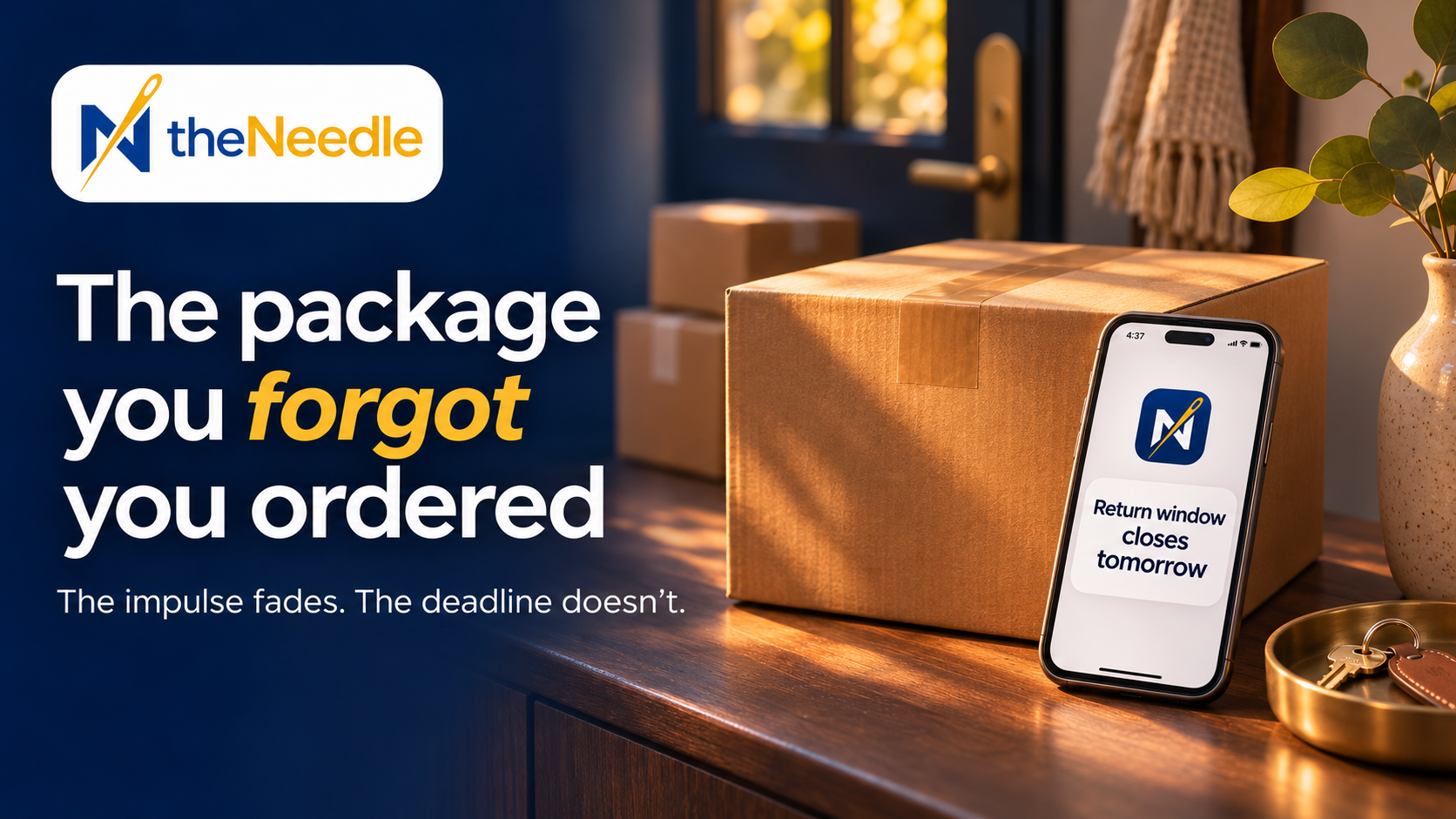
The package you forgot you ordered
It arrives, and for a second you are not sure who ordered it. Then you remember: it was late, the page was open, and it felt like exactly what you needed. Two days later it is in a pile, or already forgotten, or quietly waiting for a return window that is about to close.
What the impulse cart actually is
Here is the pattern, step by step. Something catches your attention. The urge arrives fast and feels certain. Buying it takes about thirty seconds, and the relief or excitement is immediate. The cost shows up later, and by then the feeling that justified it is gone.
The tell is not what you intend. It is what is visible: the cart with fourteen items, the subscription you signed up for on a whim, the return that expired last Tuesday, the statement you would rather not open. People with ADHD often describe this as a hunt for stimulation, not a lack of care about money. You can budget carefully on Sunday and still click "buy" on Thursday night.
Why it happens
Executive function includes pausing between an urge and an action. When that pause is short, the purchase happens before the question "do I need this?" gets asked. Time blindness makes it worse: future you, the one who pays the bill, feels abstract and far away. This is a wiring difference, not a character flaw, which means the fix is friction and visibility, not guilt.
Adding a pause on purpose
- Take the card off file. Typing numbers in takes a minute, and a minute is often all the urge needs to fade.
- Move it to a wish list and wait 48 hours. If you still want it after two days, buy it with a clear head.
- Make spending visible. A weekly five-minute look at your own statements beats a monthly dread session.
- Audit subscriptions once a quarter. Cancel what you cannot name. Re-sign up later if you truly miss it.
- Put a real alert on money notices. Return windows, renewal notices and billing letters are easy to miss when they sit unopened. Tools like theNeedle exist to surface the few emails with real financial consequence, so they do not pass quietly.
- Ask someone to sit with you. Doing the statement review on a call with a friend turns a dreaded task into a manageable one.
This is general information, not personalized financial advice.
Start here
ADDitude Magazine (additudemag.com) has deep, practical archives on ADHD and money. If you want one next step, pick one friction from the list above and try it for a month before adding another. If this pattern sounds like your life, a licensed clinician can help you understand what is going on.
This is an awareness series, not medical advice. If you recognize yourself here, a licensed clinician can help you understand what's going on.
One obligation at a time, from the inbox you already have.
theNeedle is live on the App Store and Google Play.
Get the app